
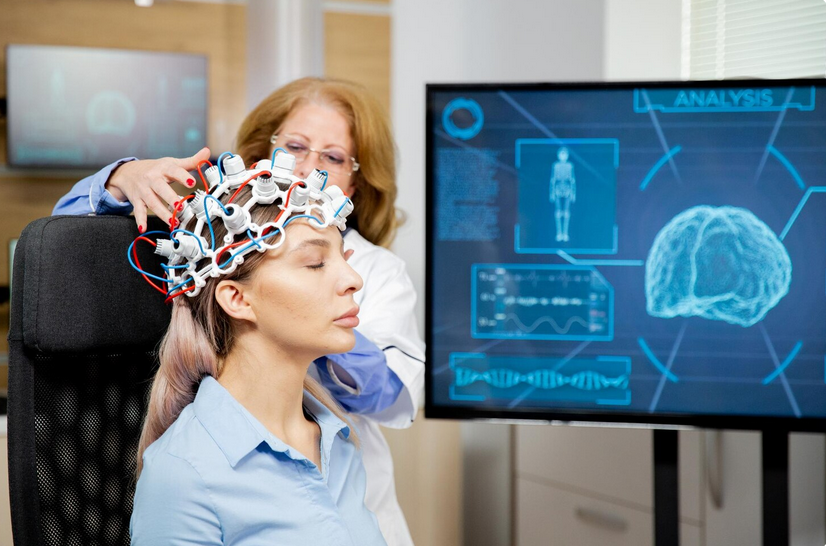
Technology no longer stops at tracking steps or heart rate. It is now moving closer to the brain. Neurotechnology wearables are designed to read and interpret brain signals in real time. These devices promise insights into focus, stress, sleep quality, and even emotional states. While the idea once belonged to science fiction, it is steadily entering consumer markets. Understanding how these tools work and what they mean for daily life helps users approach them with curiosity and caution.
How Brain Signals Are Measured
 The brain communicates through electrical impulses. Neurons fire in patterns that can be detected with specialized sensors. Wearable neurotechnology devices often use electroencephalography, or EEG, to capture these signals. Small electrodes placed on the scalp detect tiny electrical changes. The data is then transmitted to an app or platform for analysis. Algorithms translate raw signals into readable metrics. This process does not involve reading thoughts directly. Instead, it measures patterns associated with attention, relaxation, or alertness. Interpretation depends on statistical modeling rather than literal mind-reading.
Applications in Focus and Productivity
One of the main consumer uses for brain-sensing wearables is focus training. Some headbands or lightweight devices monitor attention levels during work or study sessions. Users receive feedback in real time. If concentration drops, the app may provide prompts or adjustments. Over time, individuals can identify patterns in their productivity. This feedback loop helps ensure more intentional work habits. Rather than guessing when focus declines, users see measurable indicators. The technology becomes a guide for behavioral adjustment.
Monitor Stress and Mental State
Stress affects cognitive performance and overall health. Neurotechnology wearables claim to detect shifts in brainwave activity associated with stress or relaxation. By tracking these fluctuations, users can learn how certain activities impact their mental state. Meditation sessions, breathing exercises, or physical movement may produce noticeable changes in readings. This awareness can support self-regulation. When data reflects heightened stress, users can respond proactively. The device acts as an external mirror of internal experience.
Sleep Tracking Beyond Movement

Traditional sleep trackers rely on movement and heart rate. Neurotechnology devices add another layer by analyzing brainwave patterns during sleep cycles. This allows for more precise identification of deep sleep and rapid eye movement stages. Understanding these phases can inform bedtime habits. Improved sleep quality often improves mood and focus. By monitoring neural activity, users gain insight into factors that disrupt rest. Adjustments can be made with measurable feedback.
Ethical and Privacy Concerns
Reading brain signals raises serious ethical questions. Brain data is deeply personal. It reflects cognitive states and emotional responses. Companies collecting this information must handle it responsibly. Data storage, sharing policies, and security measures require scrutiny. Without strong protections, sensitive information could be misused. Users should review privacy policies carefully. Transparency helps ensure that technology remains supportive rather than invasive. Ethical frameworks must evolve alongside innovation.
Limitations and Misinterpretations
Neurotechnology wearables are not diagnostic medical devices. They provide general insights based on patterns, not definitive conclusions. Brain signals vary among individuals. Environmental noise and improper placement can affect accuracy. Algorithms interpret data statistically, which leaves room for error. Users should avoid over-reliance on readings. The technology complements personal awareness but does not replace professional evaluation when needed.
The Future of Wearable Neurotechnology
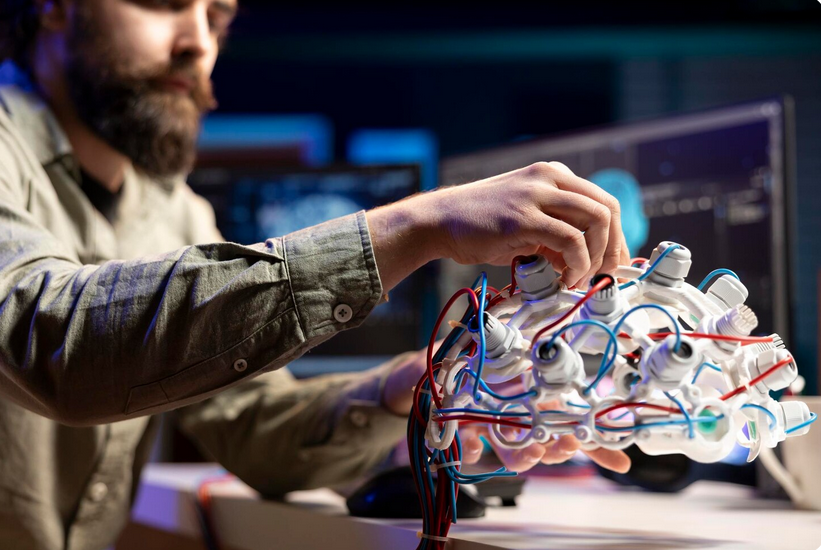 As sensor technology improves, devices may become smaller and more comfortable. Integration with other health metrics could create broader insight into mind-body connections. Applications may expand into education, therapy support, and athletic training. Researchers continue exploring how neural feedback can enhance performance and emotional regulation. However, adoption will depend on trust. Consumers must feel confident that their data is secure and that claims are grounded in evidence. Balanced skepticism supports responsible growth.
Neurotechnology wearables represent a significant shift in personal health monitoring. By capturing brain signals through non-invasive sensors, these devices offer insights into focus, stress, and sleep patterns. While promising, they also raise important privacy and accuracy considerations. Used thoughtfully, they can support self-awareness and behavioral change. As innovation continues, understanding both potential and limitations remains essential.