
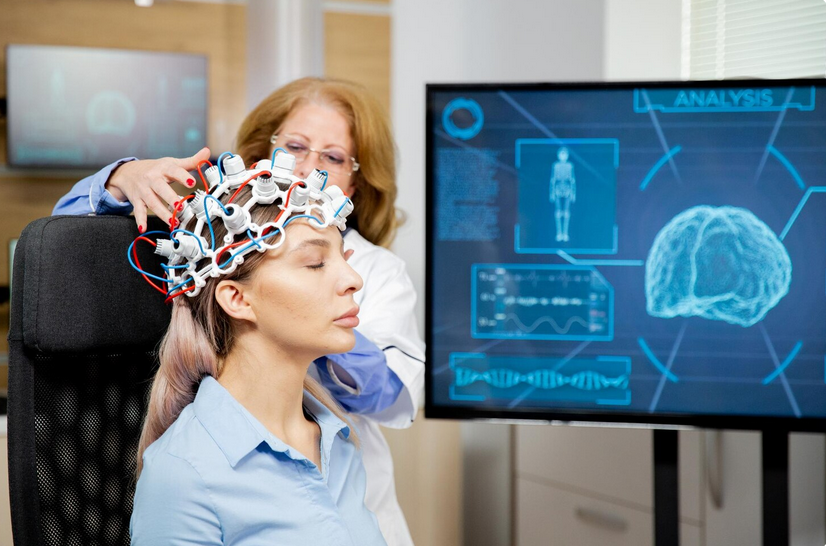
Technology no longer stops at tracking steps or heart rate. It is now moving closer to the brain. Neurotechnology wearables are designed to read and interpret brain signals in real time. These devices promise insights into focus, stress, sleep quality, and even emotional states. While the idea once belonged to science fiction, it is steadily entering consumer markets. Understanding how these tools work and what they mean for daily life helps users approach them with curiosity and caution.
How Brain Signals Are Measured
 The brain communicates through electrical impulses. Neurons fire in patterns that can be detected with specialized sensors. Wearable neurotechnology devices often use electroencephalography, or EEG, to capture these signals. Small electrodes placed on the scalp detect tiny electrical changes. The data is then transmitted to an app or platform for analysis. Algorithms translate raw signals into readable metrics. This process does not involve reading thoughts directly. Instead, it measures patterns associated with attention, relaxation, or alertness. Interpretation …